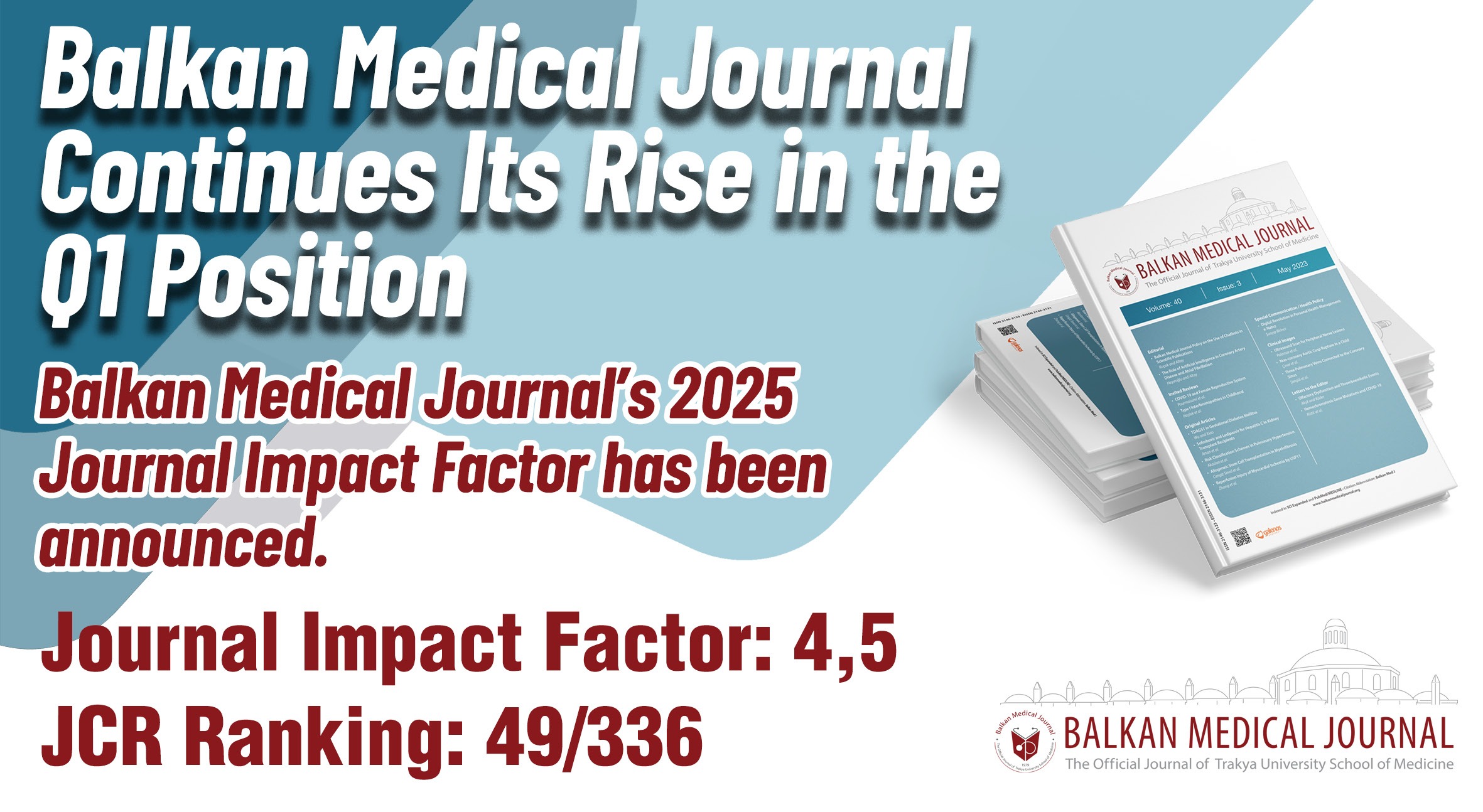
According to the 2025 Journal Impact Factor results announced in Clarivate Journal Citation Reports, Balkan Medical Journal has achieved a Journal Impact Factor of 4.5.
The journal ranked 49th in the Medicine, General & Internal category and maintained its strong position in Q1.
We sincerely thank our Editor-in-Chief, Editorial Board members, reviewers, authors, readers, and all researchers who have cited the articles published in Balkan Medical Journal for their valuable contributions to this achievement.
As Balkan Medical Journal, we will continue to strengthen our international visibility, scientific impact, and publication quality with determination.
We are pleased to announce that, according to the 2025 Scopus data, Balkan Medical Journal has achieved a CiteScore of 5. This reflects the journal’s continued commitment to publishing high-quality, impactful research in the field of general medicine.
Balkan Medical Journal adopts the WAME recommendations on ChatGPT and Chatbots related to scientific publications
http://www.balkanmedicaljournal.org/static.php?id=10
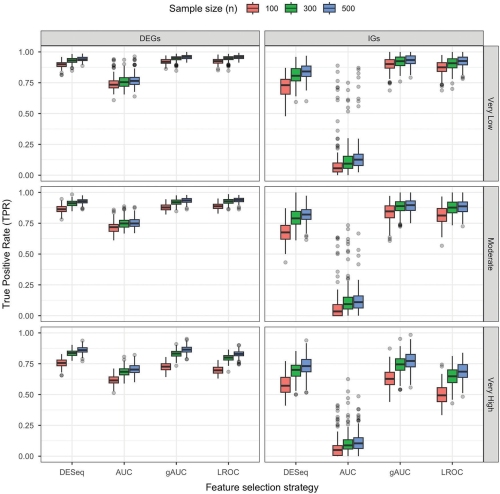
In the field of computer science, known as artificial intelligence, algorithms imitate reasoning tasks that are typically performed by humans. The techniques that allow machines to learn and get better at tasks such as recognition and prediction, which form the basis of clinical practice, are referred to as machine learning, which is a subfield of artificial intelligence.
http://balkanmedicaljournal.org/uploads/pdf/pdf_BMJ_2461.pdf
Type 1 interferonopathy is a novel context reflecting a group of inborn disorders sharing common pathway disturbances. This group of diseases is characterized by autoimmunity and autoinflammation caused by an upregulation of type 1 interferons (IFN)s due to certain genetic mutations.
http://balkanmedicaljournal.org/uploads/pdf/pdf_BMJ_2501.pdf
Many cytokines are released during inflammation, and they can start the phagocytic process, which caused the degradation of infected cells along with healthy ones. Therefore, targeting the pathological mechanisms, such as microglial activation, mitochondrial dysfunction, and oxidative stress, that should be involved in the treatment program is important.
http://balkanmedicaljournal.org/uploads/pdf/pdf_BMJ_2430.pdf